Water Damage Restoration in Westchester
Assessment, extraction, drying and repair planning after water enters a building.
- Westchester County
- Written scope
- Independent contractor
Plan the whole recovery, not just water removal
Water damage restoration coordinates several tasks after an intrusion. The appropriate sequence depends on the source, affected materials and condition of the building. An assessment should distinguish work needed to stop the source from work needed to remove water, dry materials and repair finishes.
Where We Serve
Serving Westchester County
These location pages organize local information for Westchester communities; they do not confirm coverage or a staffed office.
What to include in the scope
Use these topics to compare proposals and identify work that needs a separate specialist.
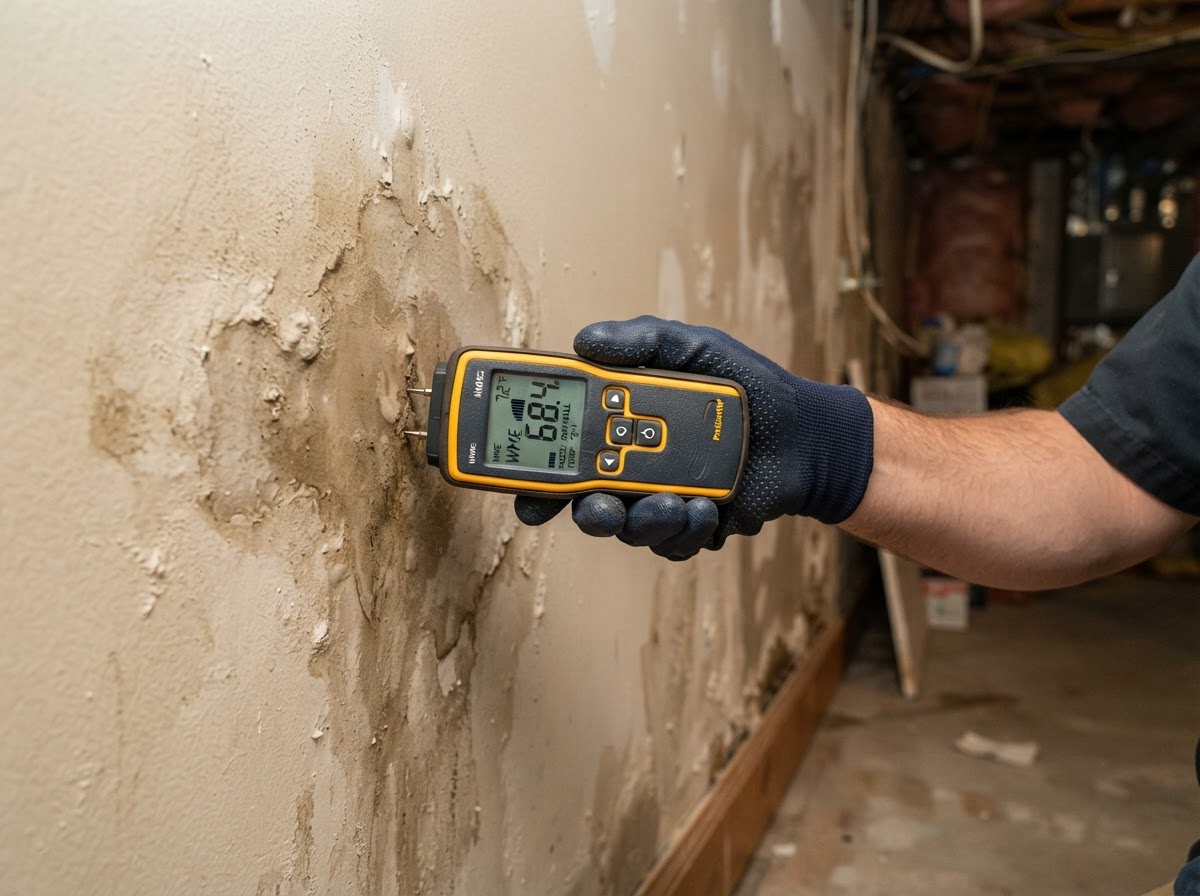
Assessment and moisture mapping
Ask the contractor to identify affected rooms, accessible cavities and the apparent path of water. A written record of readings and observations is more useful than a visual check alone. Inaccessible areas and uncertain findings should be identified rather than described as fully inspected.
Extraction and material decisions
Accessible water can be extracted, but saturated assemblies need separate evaluation. The plan should explain which materials may be retained, which require removal and why. Decisions depend on the material, contamination, condition and access; not every wet surface needs identical treatment.
Structural drying and monitoring
A drying plan should explain the equipment, intended airflow, monitoring schedule and completion criteria. Equipment placement alone does not demonstrate that concealed moisture has been addressed. Ask for progress records and a final explanation of any areas that remain uncertain.
Cleaning and reconstruction handoff
Restoration and reconstruction are not always one contract. Clarify whether the quote includes cleaning, contents handling, drywall, flooring, trim, painting and disposal. Before finishes are replaced, agree on how drying completion and any remaining source repairs will be documented.
What affects the estimate
| Cost factor | What to clarify | Pricing basis |
|---|---|---|
| Extent of affected rooms and assemblies | Ask for an itemized written scope | Property-specific estimate |
| Material removal and disposal | Ask for an itemized written scope | Property-specific estimate |
| Drying equipment and monitoring duration | Ask for an itemized written scope | Property-specific estimate |
| Reconstruction and finish selection | Ask for an itemized written scope | Property-specific estimate |
No dollar range or average is quoted here. The contractor must confirm assessment fees, equipment charges, exclusions and change-order terms before work is authorized.
What this helps you do
Understand the scope
Use this water damage restoration guide to distinguish the immediate task from related repair and rebuilding work.
Compare written proposals
Request a description of included work, exclusions, charges and the evidence used to determine completion.
Know who is responsible
The selected independent contractor, not this referral website, would inspect, price and perform the work.
A practical sequence for discussing the job
- 1. Describe conditions
Share the address, timing, apparent source and safety concerns without entering a hazardous space.
- 2. Review the assessment
Ask what was inspected, what remains uncertain and which trades may be needed.
- 3. Agree on the scope
Review the written proposal, pricing basis, exclusions and schedule before authorizing work.
- 4. Keep the records
Retain photographs, readings where provided, invoices and the contractor's completion notes.