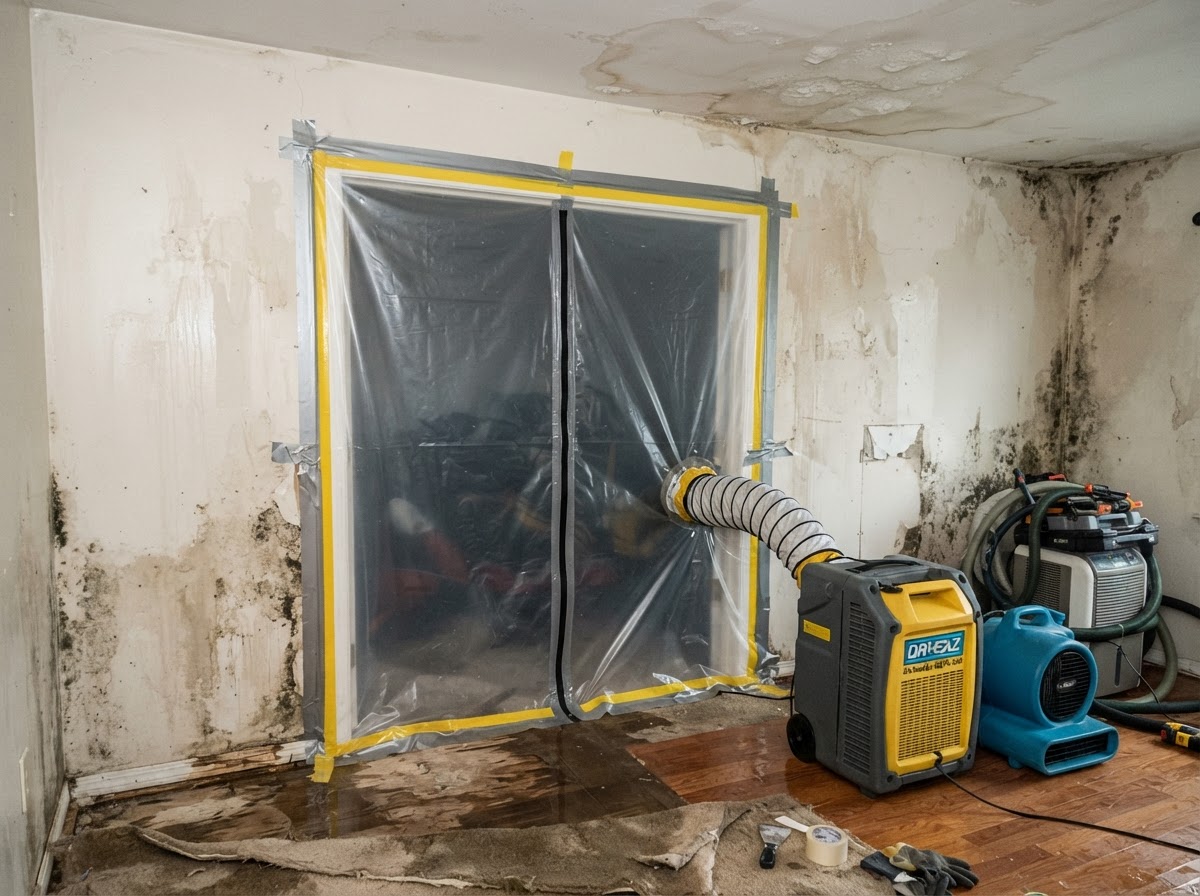
Sewage Backup Cleanup in Westchester
Understand professional contamination assessment, removal and cleaning after a sewage backup.
- Westchester County
- Written scope
- Independent contractor
Treat sewage concerns as a distinct cleanup problem
A sewage backup raises contamination concerns beyond ordinary water extraction. Keep people and pets away from the affected area and describe the suspected source before arranging an inspection. Cleanup and repair of the underlying drain or sewer problem may require different scopes.
Where We Serve
Serving Westchester County
These location pages organize local information for Westchester communities; they do not confirm coverage or a staffed office.
What to include in the scope
Use these topics to compare proposals and identify work that needs a separate specialist.
Source and contamination assessment
Tell the contractor where the backup appeared and whether it is ongoing. A drain or sewer professional may need to investigate the underlying problem. Do not assume that removing visible wastewater resolves the blockage or establishes that adjacent areas are unaffected.
Work-area controls and removal
Ask how the contractor will limit spread through occupied spaces and manage affected materials. The plan should address access, contents, removal and disposal. This page does not provide a do-it-yourself disinfection procedure or recommend circulating air through contaminated rooms.
Cleaning retained materials
Different surfaces and assemblies require different decisions. Ask what can be cleaned, what should be discarded and how those choices are justified. A fragrance, dry appearance or surface wipe alone is not a useful description of a complete contamination response.
Drying and documented handoff
Clarify how cleaning, drying and any rebuilding will be sequenced and recorded. Ask about remaining restrictions on use of the area and the criteria for handoff. Do not accept a blanket guarantee of safety without an explanation of the assessment and work performed.
What affects the estimate
| Cost factor | What to clarify | Pricing basis |
|---|---|---|
| Affected area and contamination scope | Ask for an itemized written scope | Property-specific estimate |
| Containment and access controls | Ask for an itemized written scope | Property-specific estimate |
| Material disposal and contents decisions | Ask for an itemized written scope | Property-specific estimate |
| Cleaning, drying and source repair | Ask for an itemized written scope | Property-specific estimate |
No dollar range or average is quoted here. The contractor must confirm assessment fees, equipment charges, exclusions and change-order terms before work is authorized.
What this helps you do
Understand the scope
Use this sewage backup cleanup guide to distinguish the immediate task from related repair and rebuilding work.
Compare written proposals
Request a description of included work, exclusions, charges and the evidence used to determine completion.
Know who is responsible
The selected independent contractor, not this referral website, would inspect, price and perform the work.
A practical sequence for discussing the job
- 1. Describe conditions
Share the address, timing, apparent source and safety concerns without entering a hazardous space.
- 2. Review the assessment
Ask what was inspected, what remains uncertain and which trades may be needed.
- 3. Agree on the scope
Review the written proposal, pricing basis, exclusions and schedule before authorizing work.
- 4. Keep the records
Retain photographs, readings where provided, invoices and the contractor's completion notes.